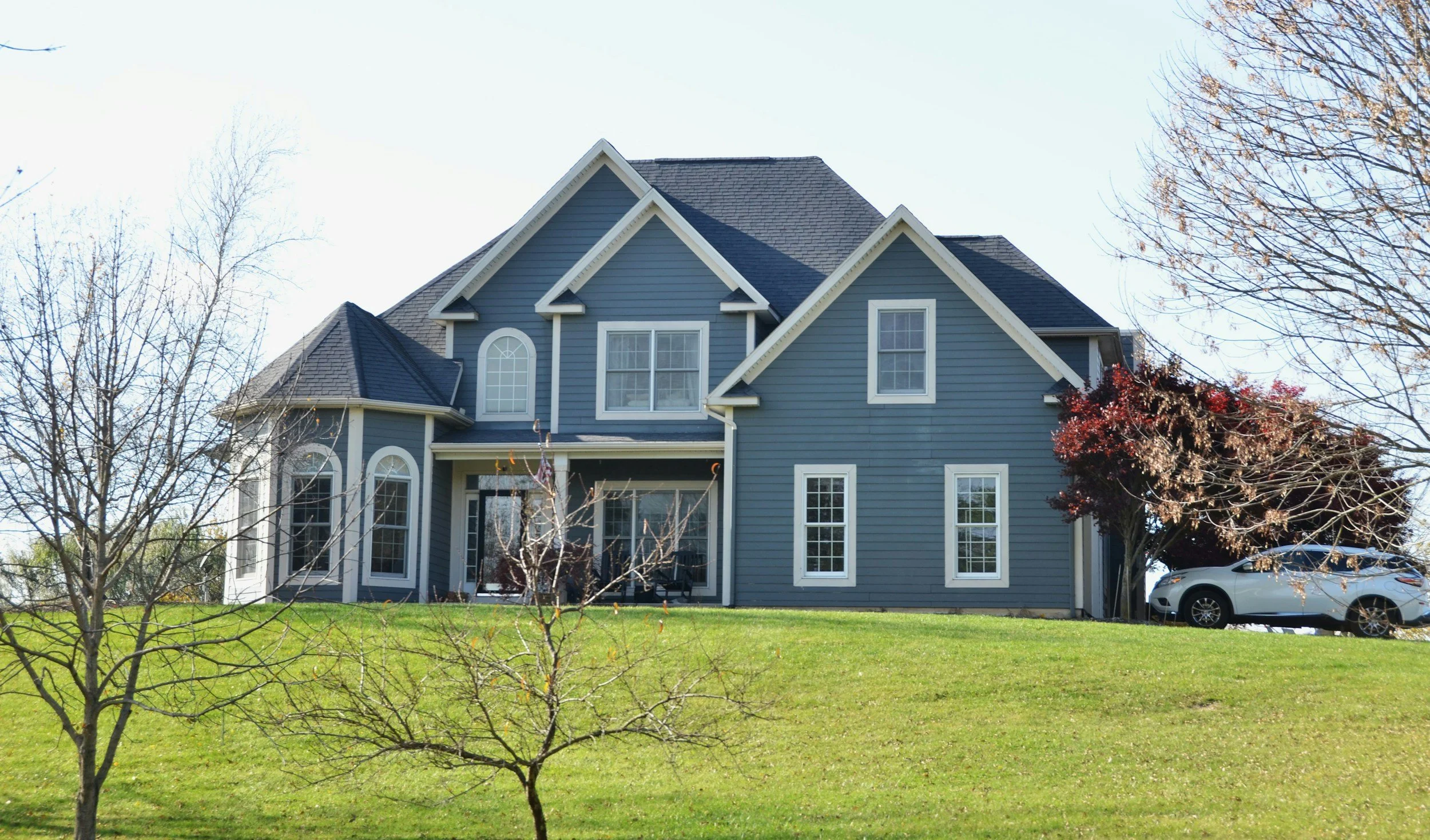
Home Inspections in Spring, Texas
Thorough residential home inspections by a TREC‑licensed inspector serving Spring and surrounding areas.
Call (346) 443‑0866

Comprehensive Home Inspections in Spring, Texas
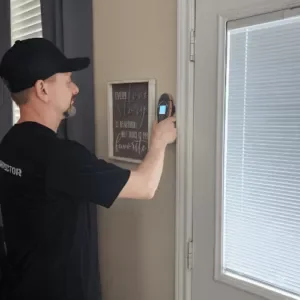
At 3D Home Inspector, every home inspection in Spring and the surrounding areas is performed by a TREC‑licensed inspector using advanced tools at no extra cost. Each inspection includes a detailed evaluation of the structure, foundation, roof, electrical, plumbing, HVAC, and more.
During your inspection, we also use specialized equipment to go deeper where it matters most.
Included with every home inspection:
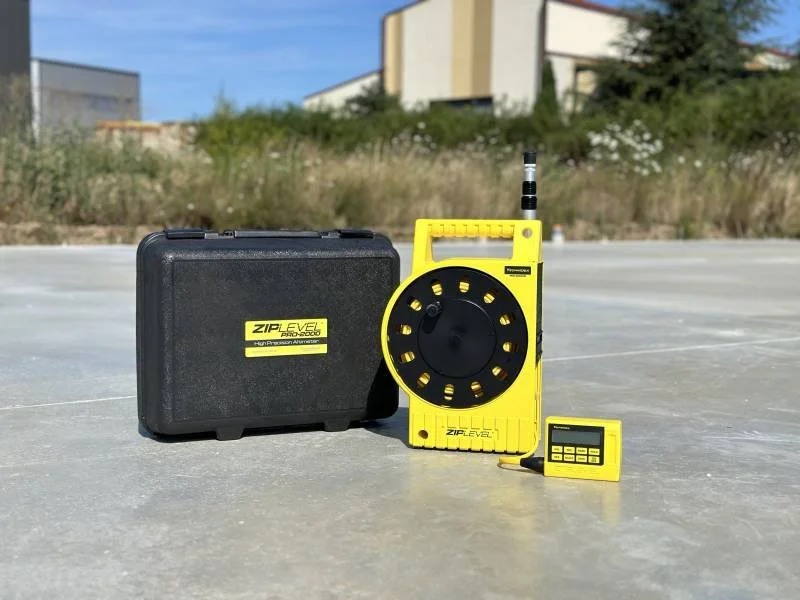
Zip Level spot‑checks to help identify possible foundation or floor elevation concerns.
Aerial photos of the roof and exterior using a drone when conditions and airspace rules allow.
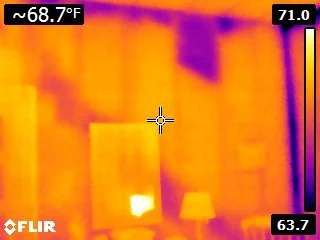
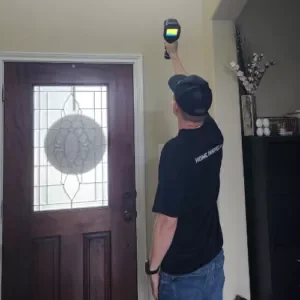
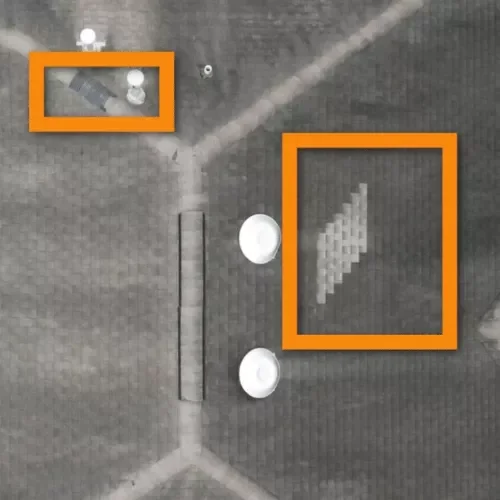
Targeted thermal imaging to look for missing insulation, active leaks, and overheated electrical components.
You receive a clear, photo‑rich report within 24 hours so you can make confident decisions about your home.


New Construction & Phase Inspections
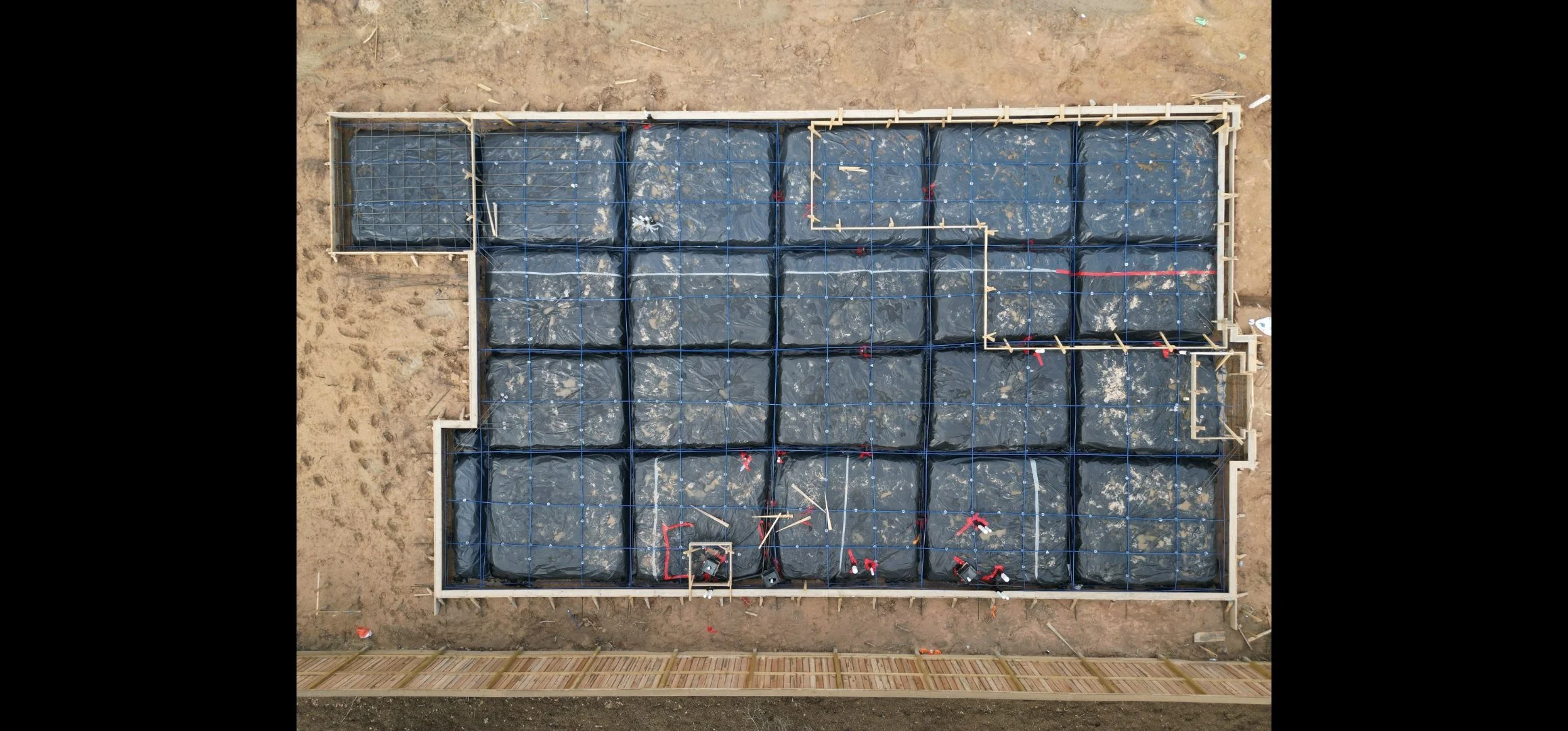
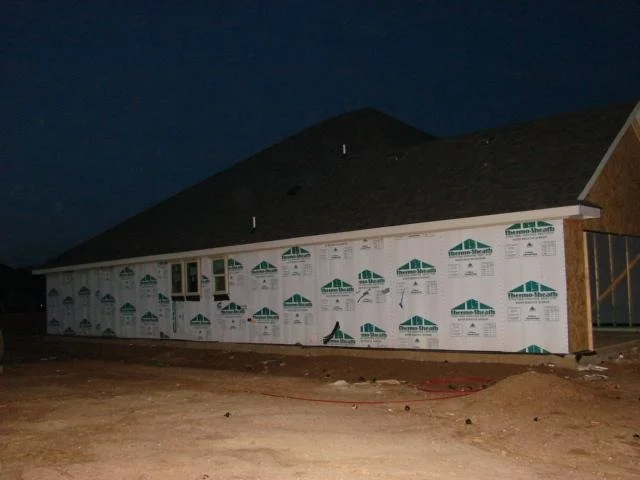
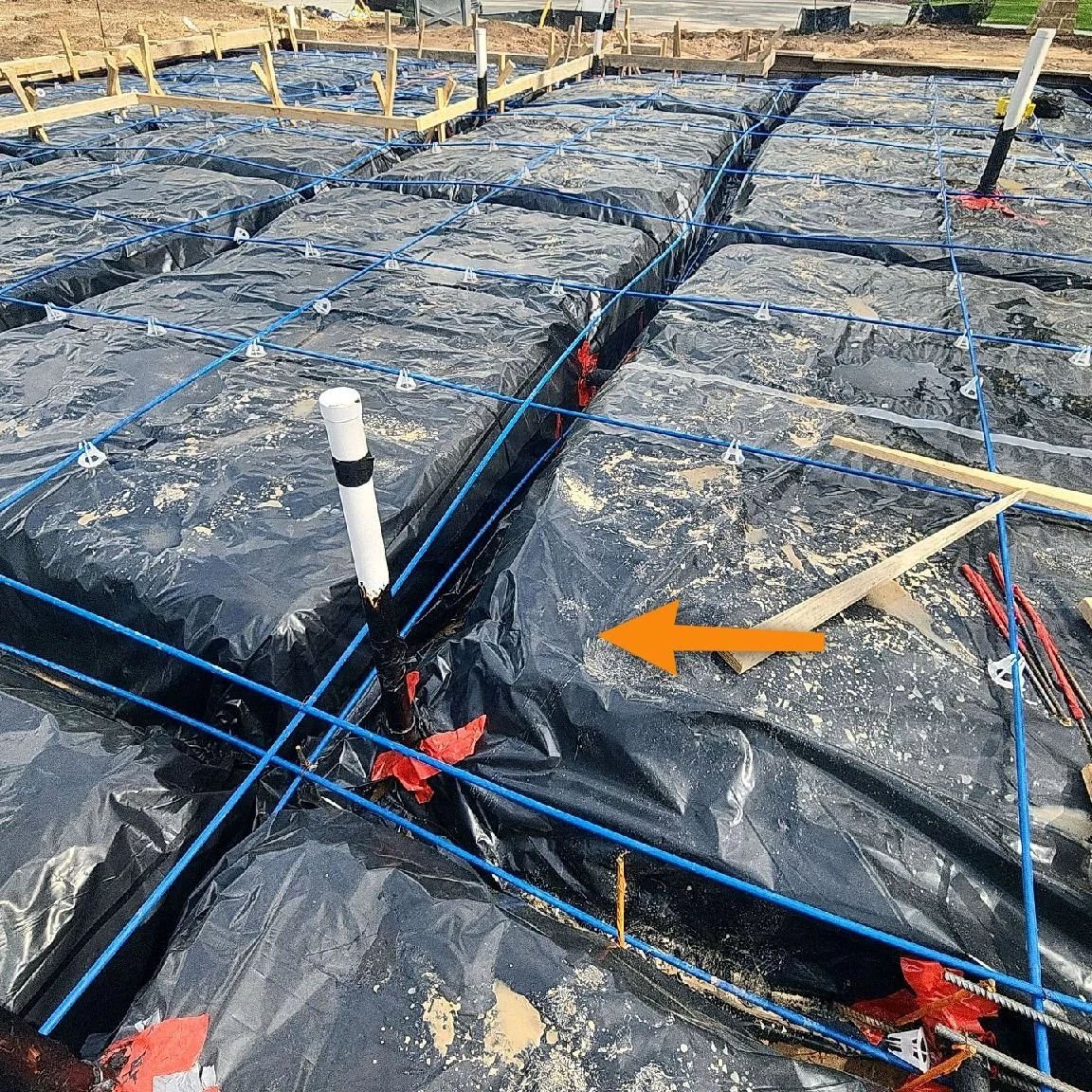
Building a new home is a major investment, and independent phase inspections help catch issues before they get covered up. Each phase is inspected by a TREC‑licensed inspector and documented in a clear, photo‑rich report you can share with your builder.
Foundation pre‑pour: Verify forms, beams, reinforcement, plumbing penetrations, and site drainage before concrete is placed.
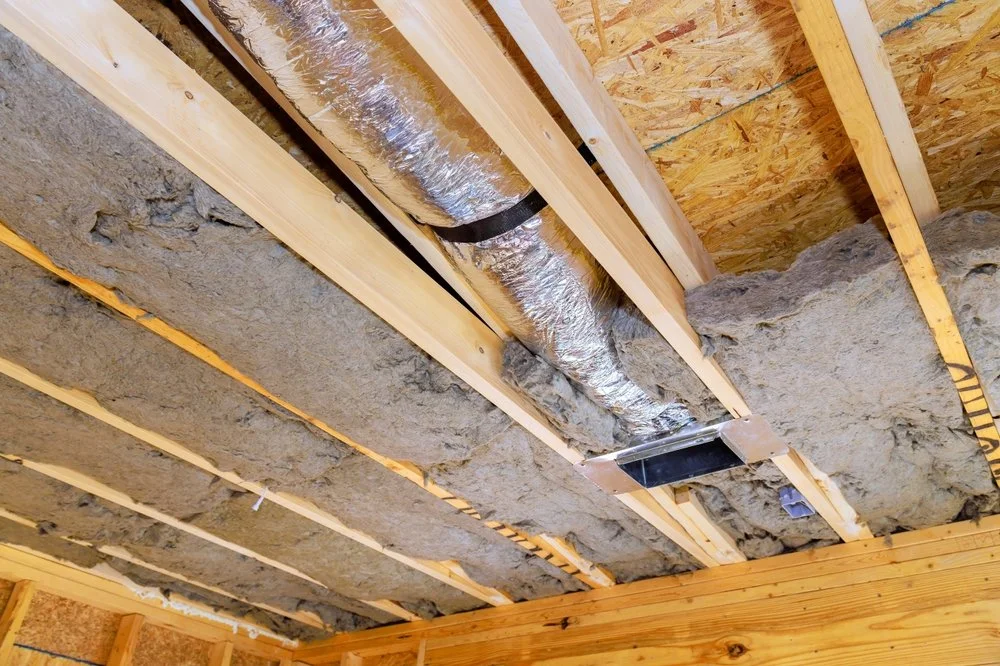
Framing/MEP: Check framing, roof structure, windows/doors, rough electrical, plumbing, and HVAC before insulation and drywall.
Final inspection: Inspect the completed home’s major systems, finishes, grading, and drainage before closing.
Advanced tools included: Zip Level spot‑checks, drone photos when allowed, and targeted thermal imaging used as appropriate at no extra cost.


Pre‑Listing Inspections
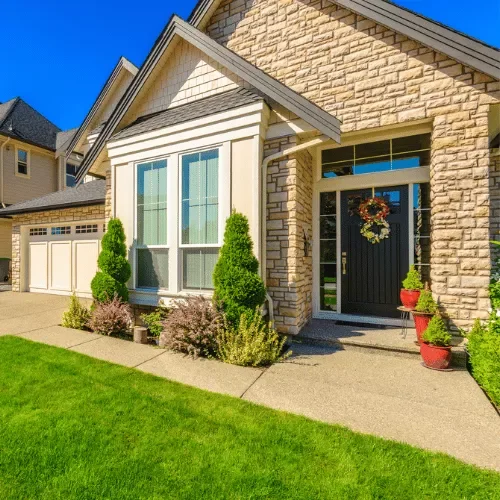
A pre‑listing inspection helps you get ahead of surprises by finding issues before your home hits the market. This lets you make repairs on your schedule, price more confidently, and reduce last‑minute negotiations with buyers.
Know before you list: Identify safety concerns, deferred maintenance, and major system issues early.
Stronger pricing & marketing: Use the report to support your asking price and show buyers the home has been professionally evaluated.
Fewer surprises during escrow: Reduce the risk of deal‑killing defects showing up on the buyer’s inspection.
Clear, photo‑rich report: Get an easy‑to‑read digital report you can share with your agent and potential buyers.

Roof & Drone Inspections
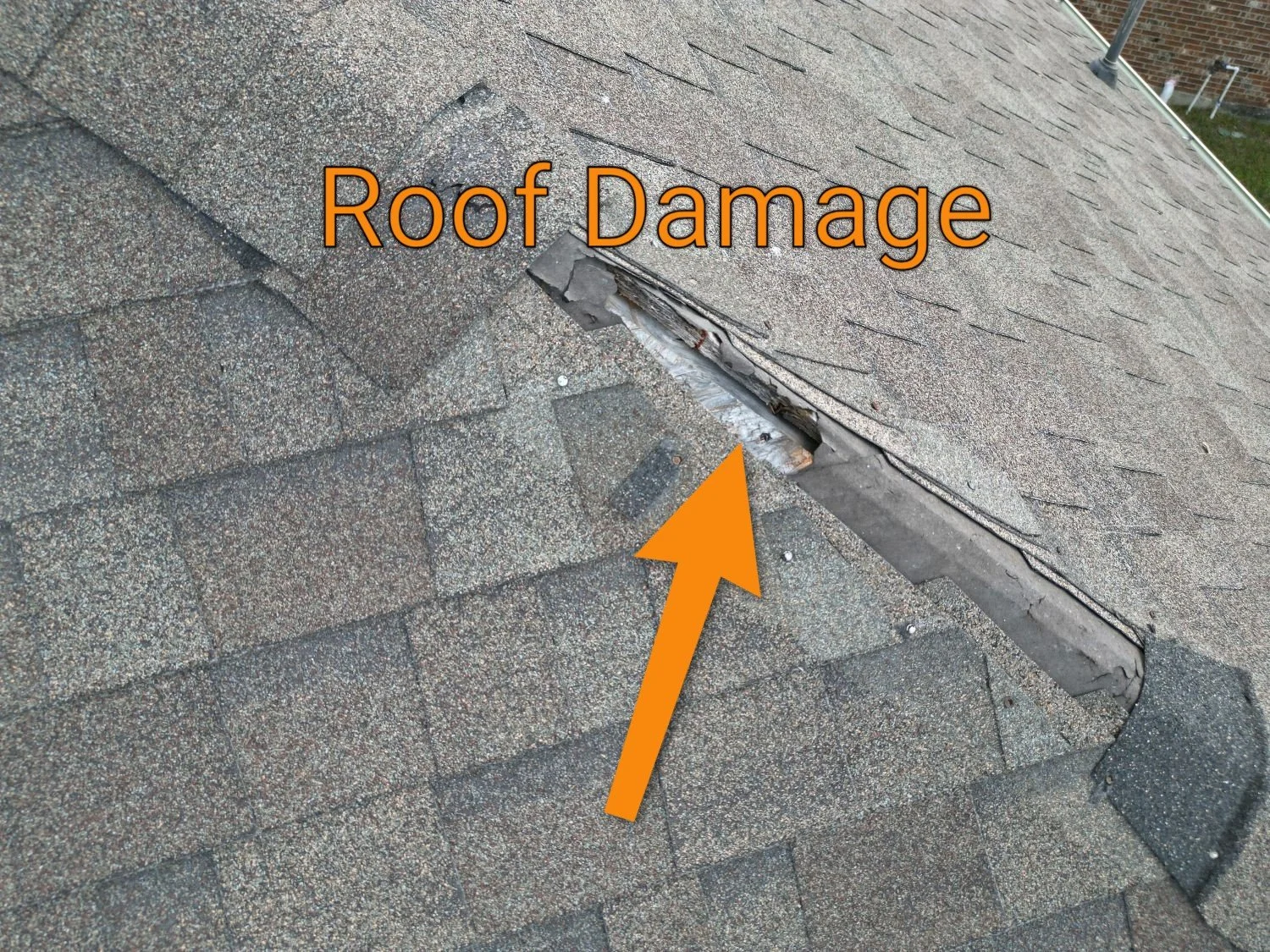
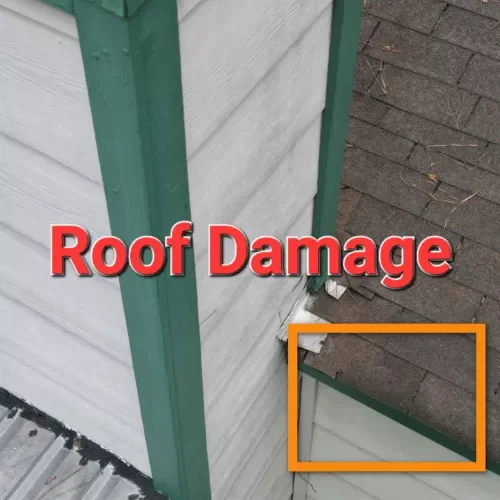
A detailed roof inspection helps identify damage, wear, and potential leaks before they turn into costly repairs. When safe access is limited or steep, a drone can provide clear aerial images of the roof and upper exterior without walking every surface.
Roof condition check: Evaluate shingles, flashing, penetrations, and visible structure for damage or defects.
Aerial drone views: Capture high‑resolution photos of hard‑to‑reach areas when conditions and airspace rules allow.
Safety first: Reduce the need to walk unsafe or fragile roof surfaces while still documenting their condition.
Photo‑rich report: Receive a clear digital report with roof and drone images to help plan repairs or support real estate decisions.

11‑Month Warranty Inspections
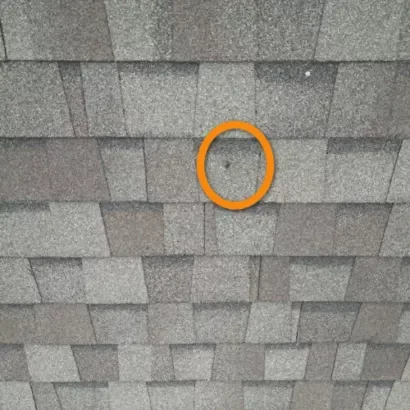
An 11‑month warranty inspection documents issues in your newly built home before the builder’s one‑year warranty expires, giving you a last chance to have covered defects repaired at their expense instead of yours. This inspection is a full checkup of the home’s major systems and components, with a clear report you can hand directly to your builder as a punch list.
Before the warranty ends: Schedule around month 10–11 so there is time for the builder to respond and complete repairs.
Full‑home evaluation: Inspect structure, roof, exterior, electrical, plumbing, HVAC, interior, and more for defects that may have developed in the first year.
Save money on repairs: Catch covered issues now so you are not paying out of pocket after the warranty expires.
Clear documentation: Receive a photo‑rich digital report you can submit to your builder as part of your warranty claim.