New Construction & Phase Inspections in Spring, Texass
Independent phase inspections help protect your new build by catching issues before they get buried behind concrete, insulation, and drywall. Each visit includes a clear, photo‑rich report you can share with your builder so problems are corrected early
Call (346) 443‑0866

What is a phase inspection?
New construction moves fast, and builders, city inspectors, and subcontractors can miss things that affect how your home performs long‑term. A phase inspection is a series of independent checks at key milestones—foundation pre‑pour, framing/MEP, and final—focused on documenting defects while they are still easy to fix.

Phase 1 – Foundation Pre‑pour
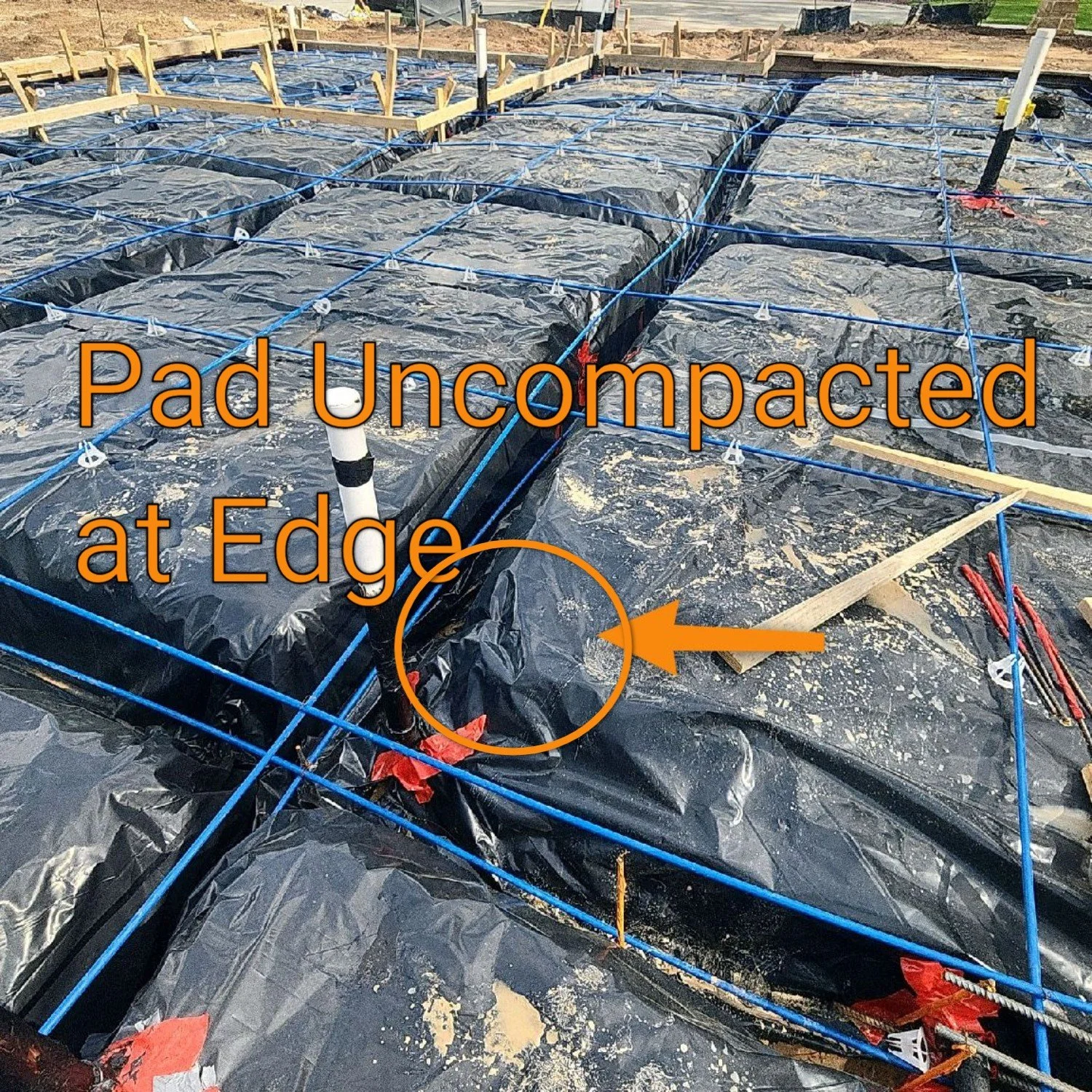
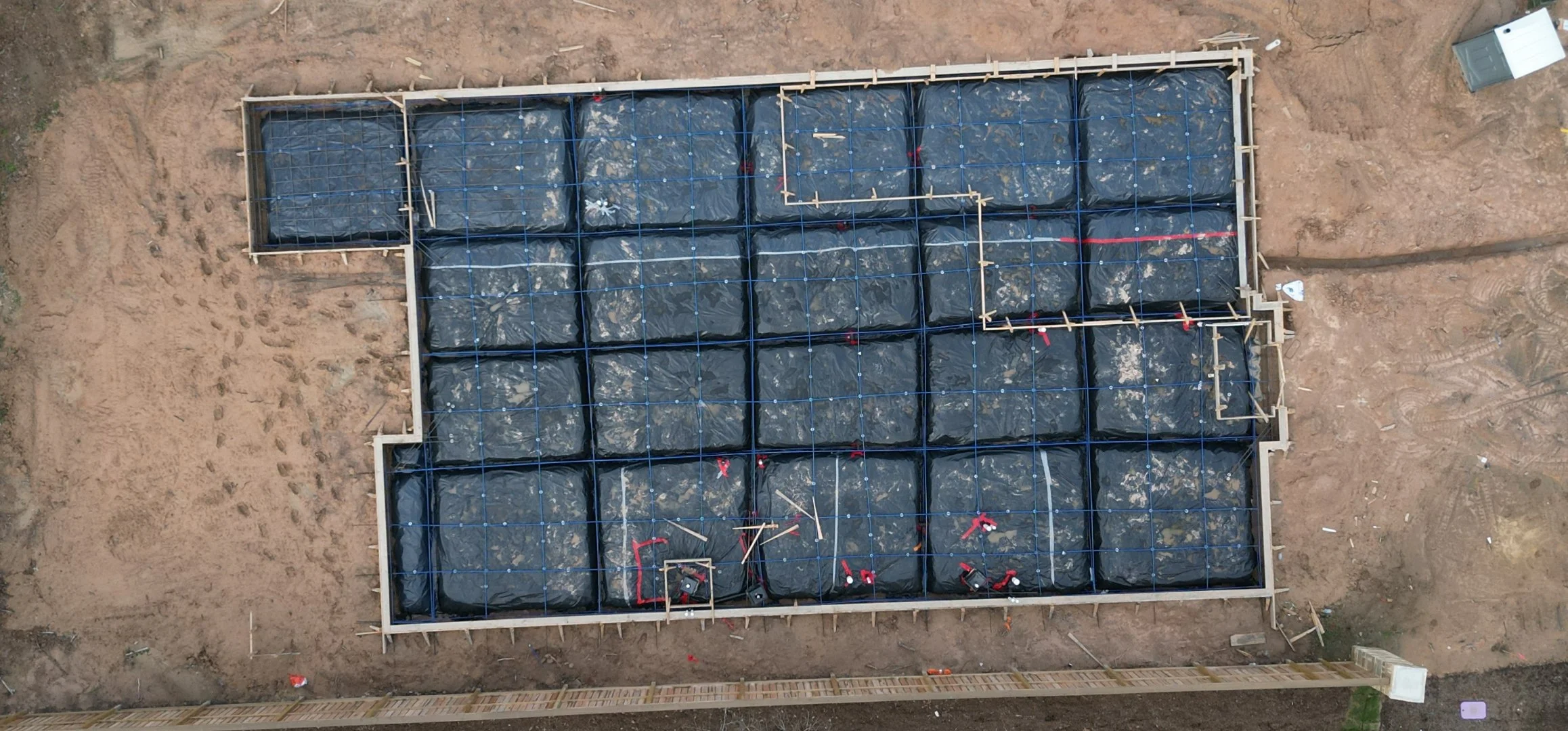
Before concrete is placed, the foundation should be properly formed, reinforced, and ready to support the home. This is the only chance to see what is going under the slab.
Verify form layout, beams, and thickness where visible.
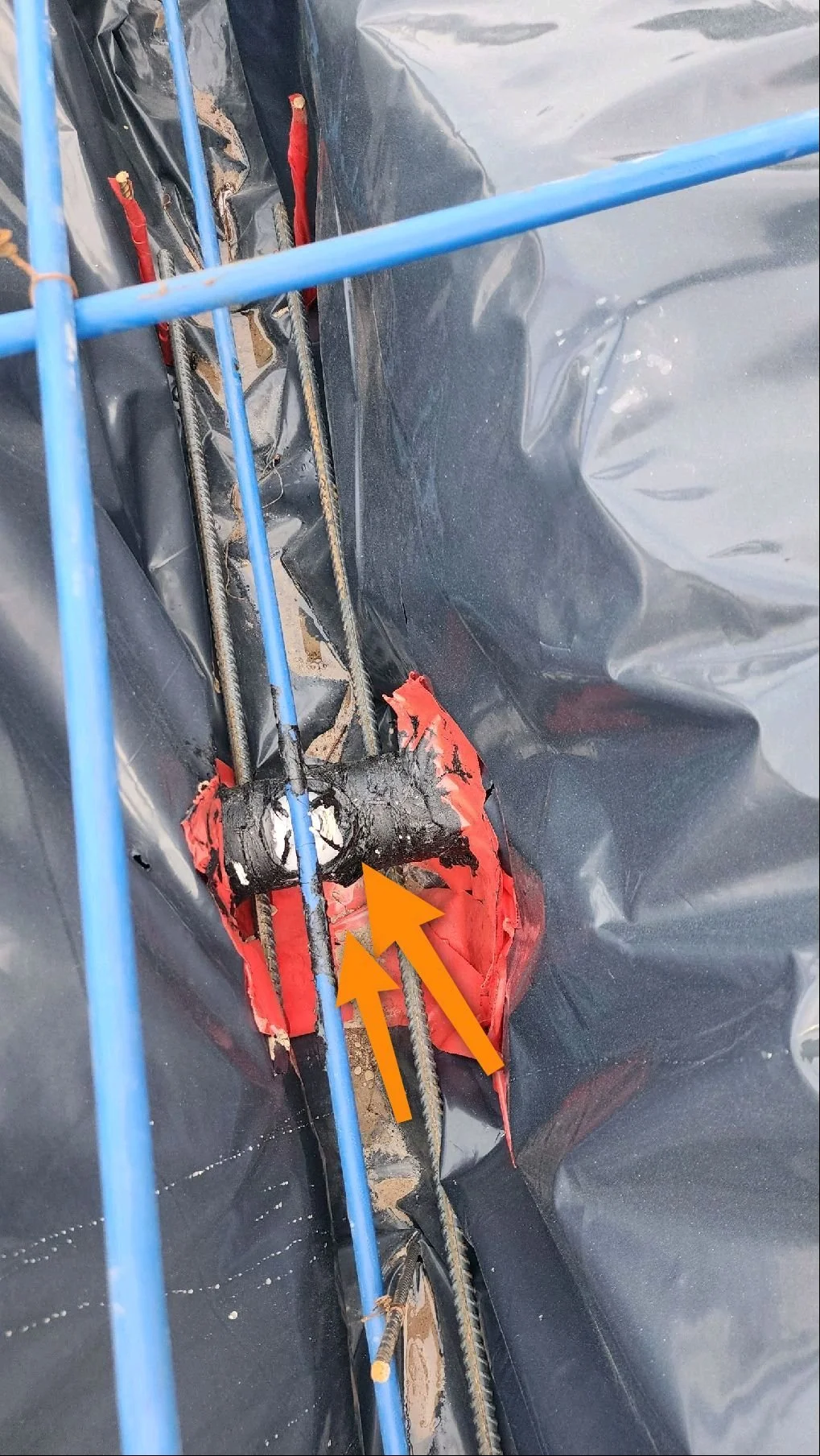
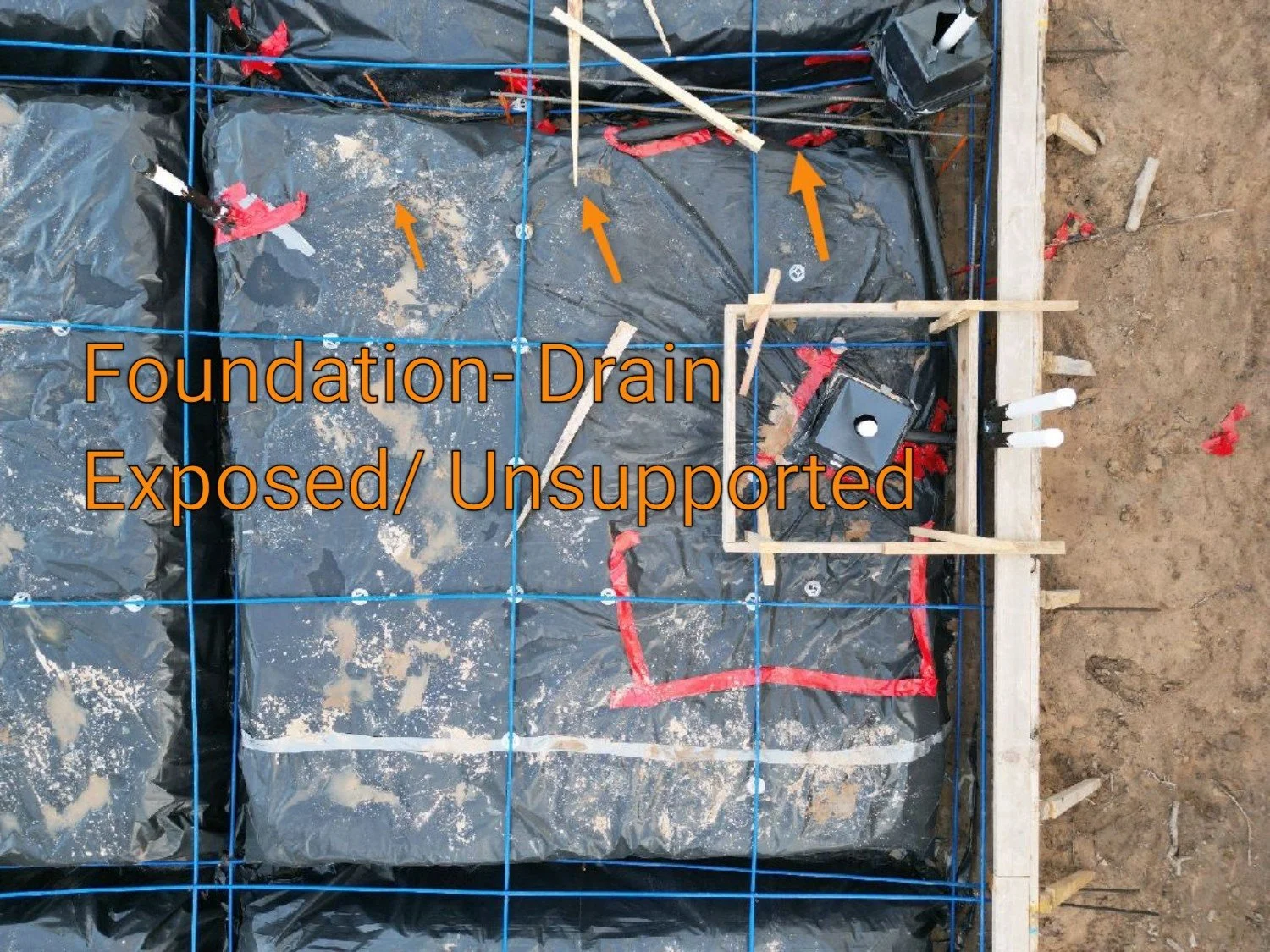
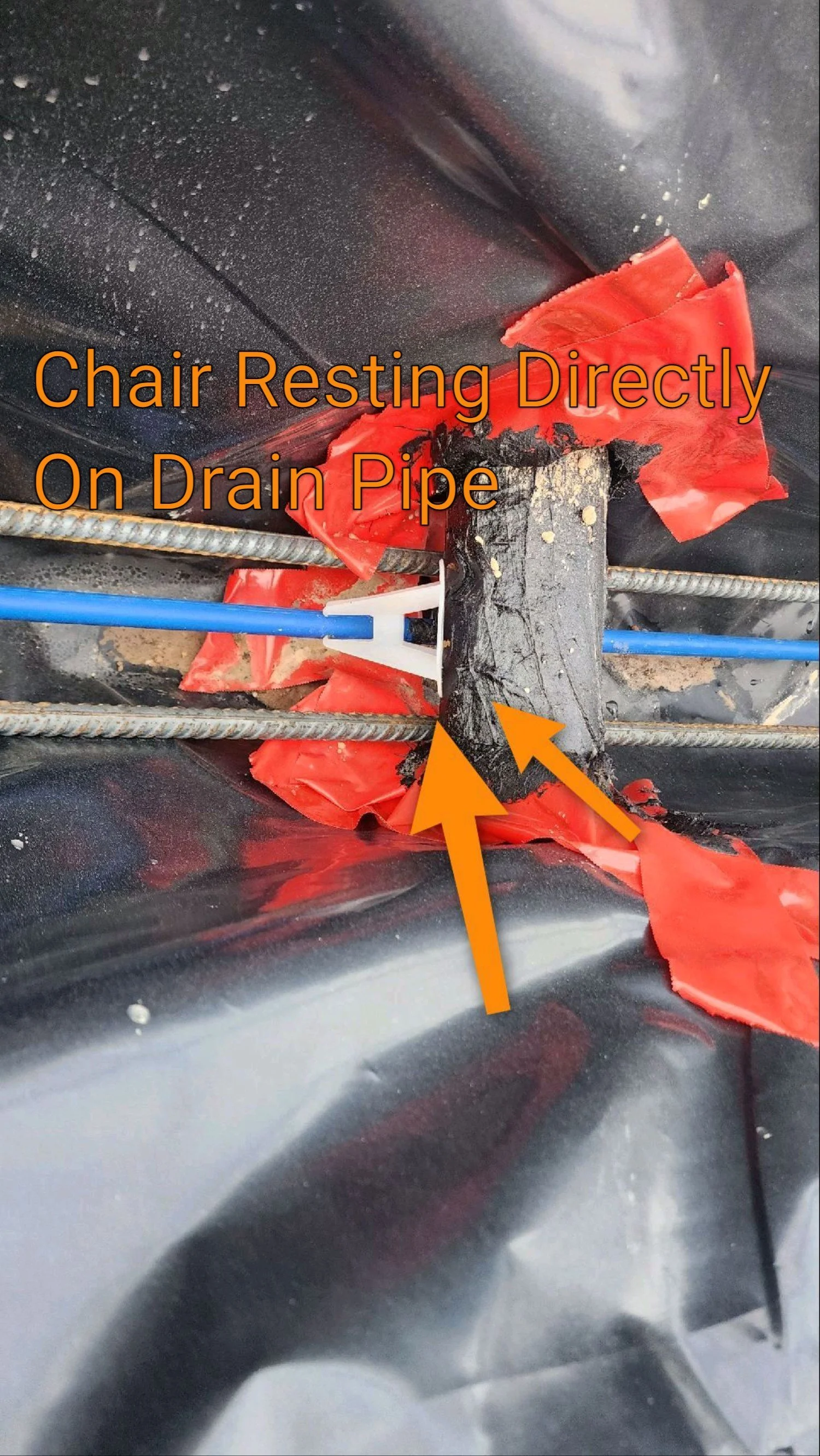
Check placement of rebar/post‑tension cables, supports, and clearances where accessible.
Review visible plumbing penetrations and sleeves in the slab area.
Look at basic site drainage and grading around the foundation area.
Phase 2 – Framing
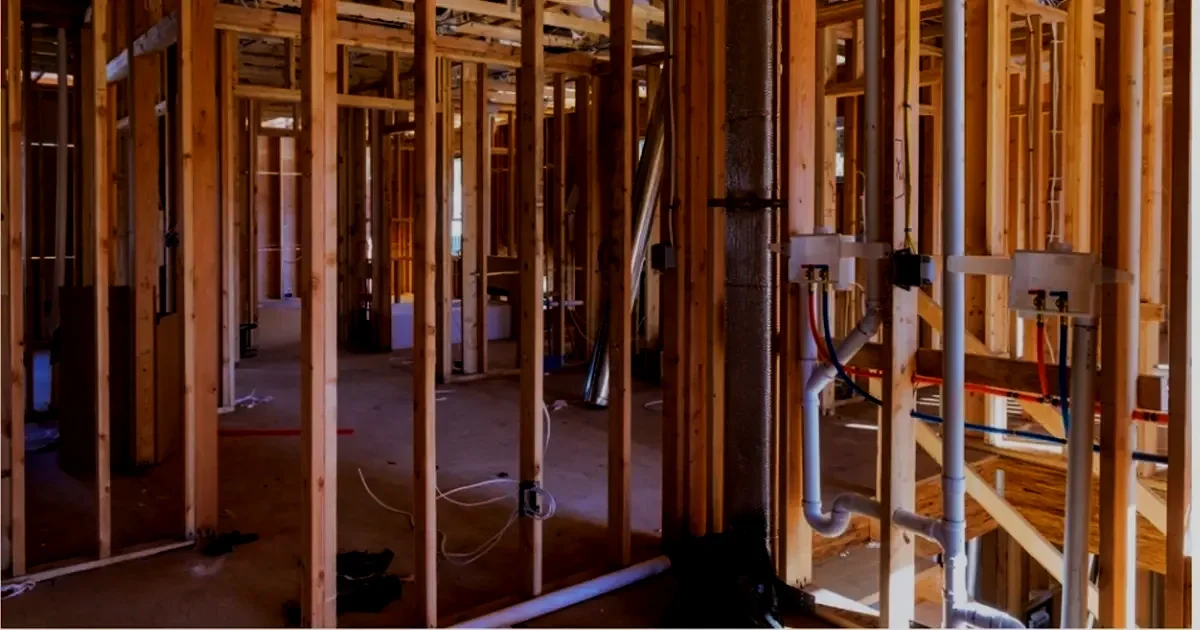
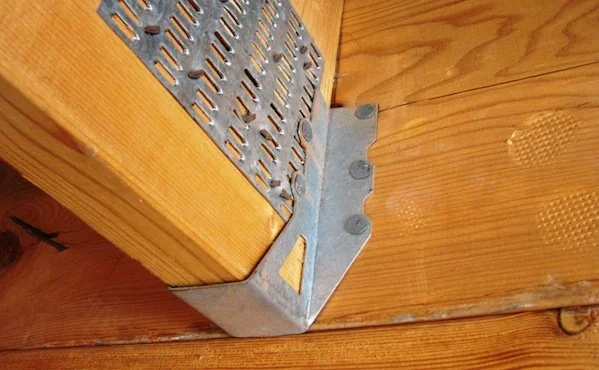
Focuses on the skeleton of the home, including walls, floors, and roof structure.
Alignment, connections, load paths, and workmanship are evaluated before mechanicals fill the walls.
Catching framing issues now helps reduce the risk of future movement, drywall cracking, and performance problems once the home is finished.
Phase 3 – MEP (Pre‑Drywall)
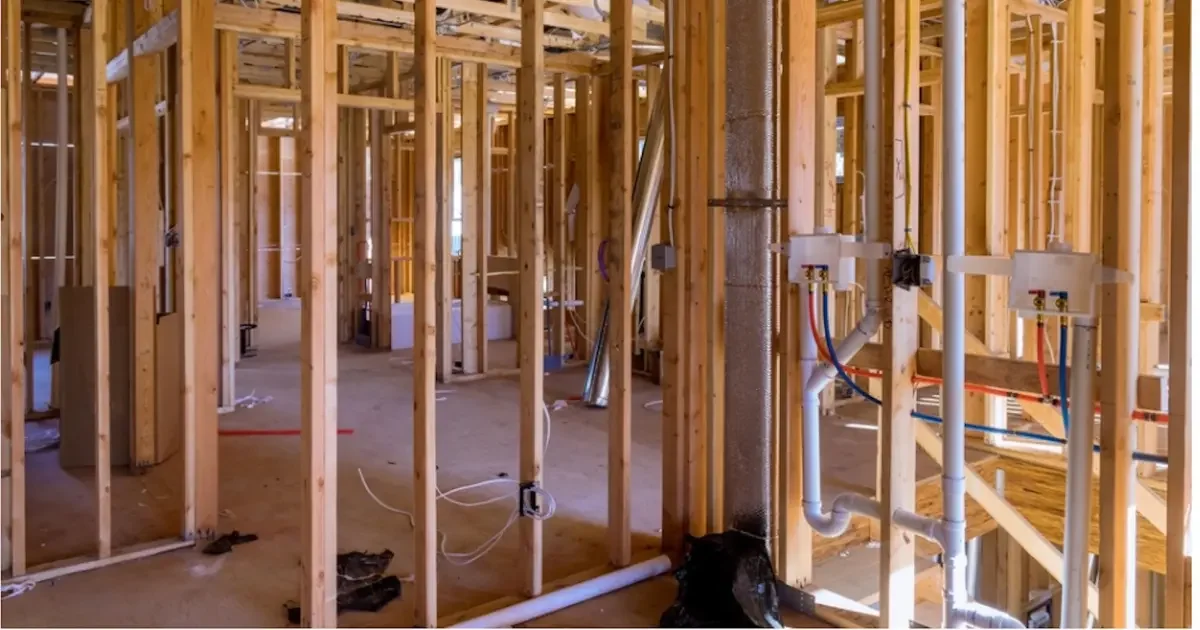
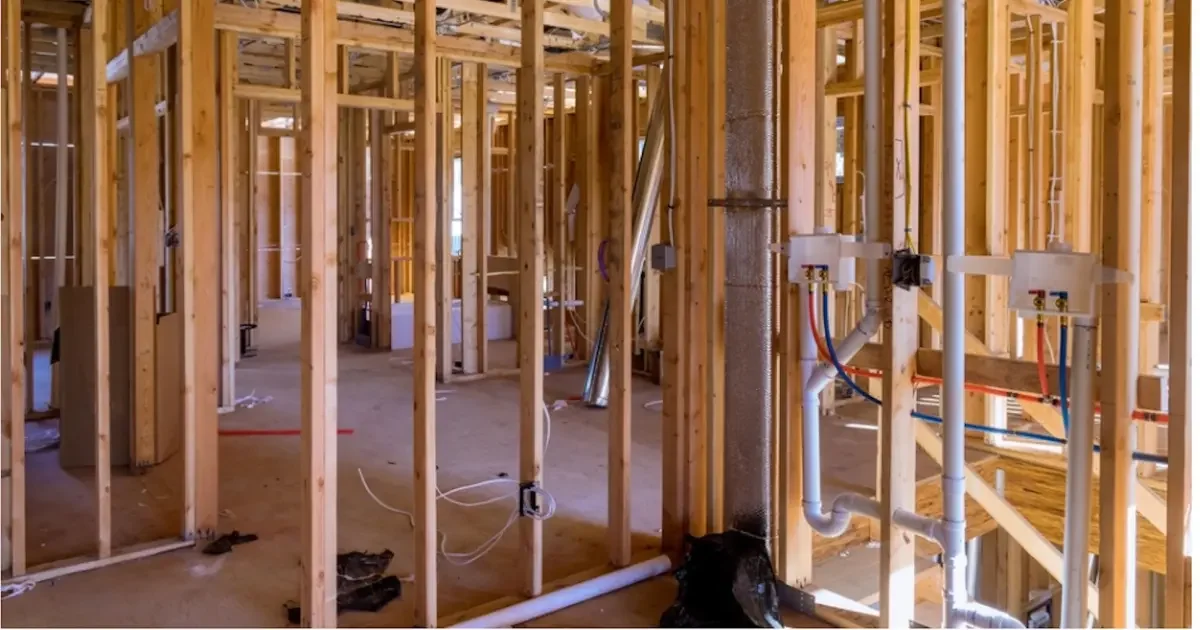
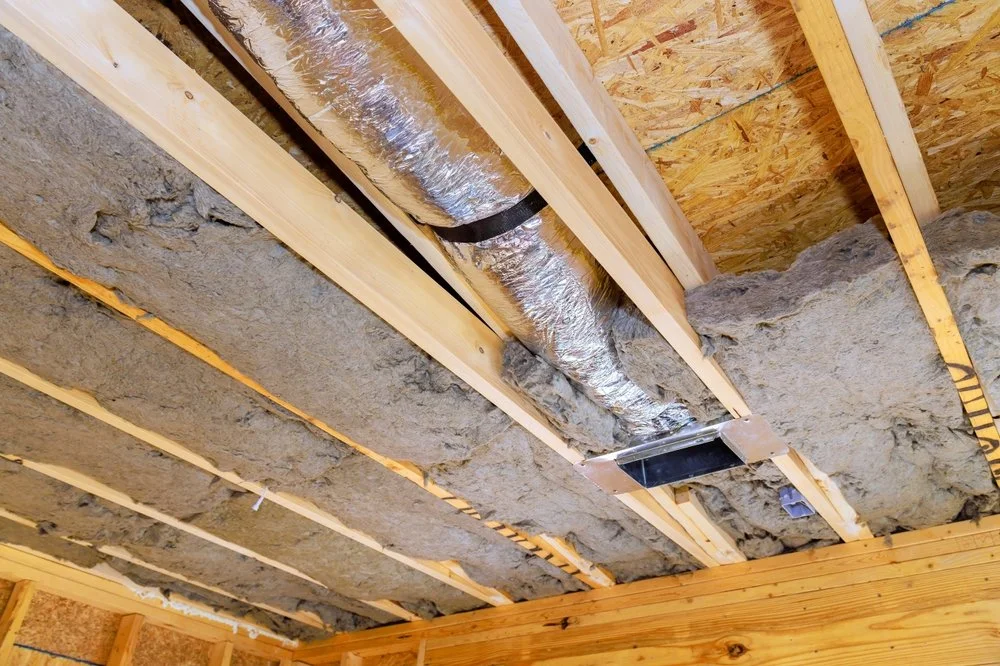
Rough mechanical, electrical, and plumbing systems are installed, but walls and ceilings are still open.
Routing, supports, and terminations of lines, ducts, and wiring are checked where visible.
Helps identify issues such as poor routing, missing supports, or obvious safety concerns before insulation and drywall hide them.
Phase 4 – Final Inspection
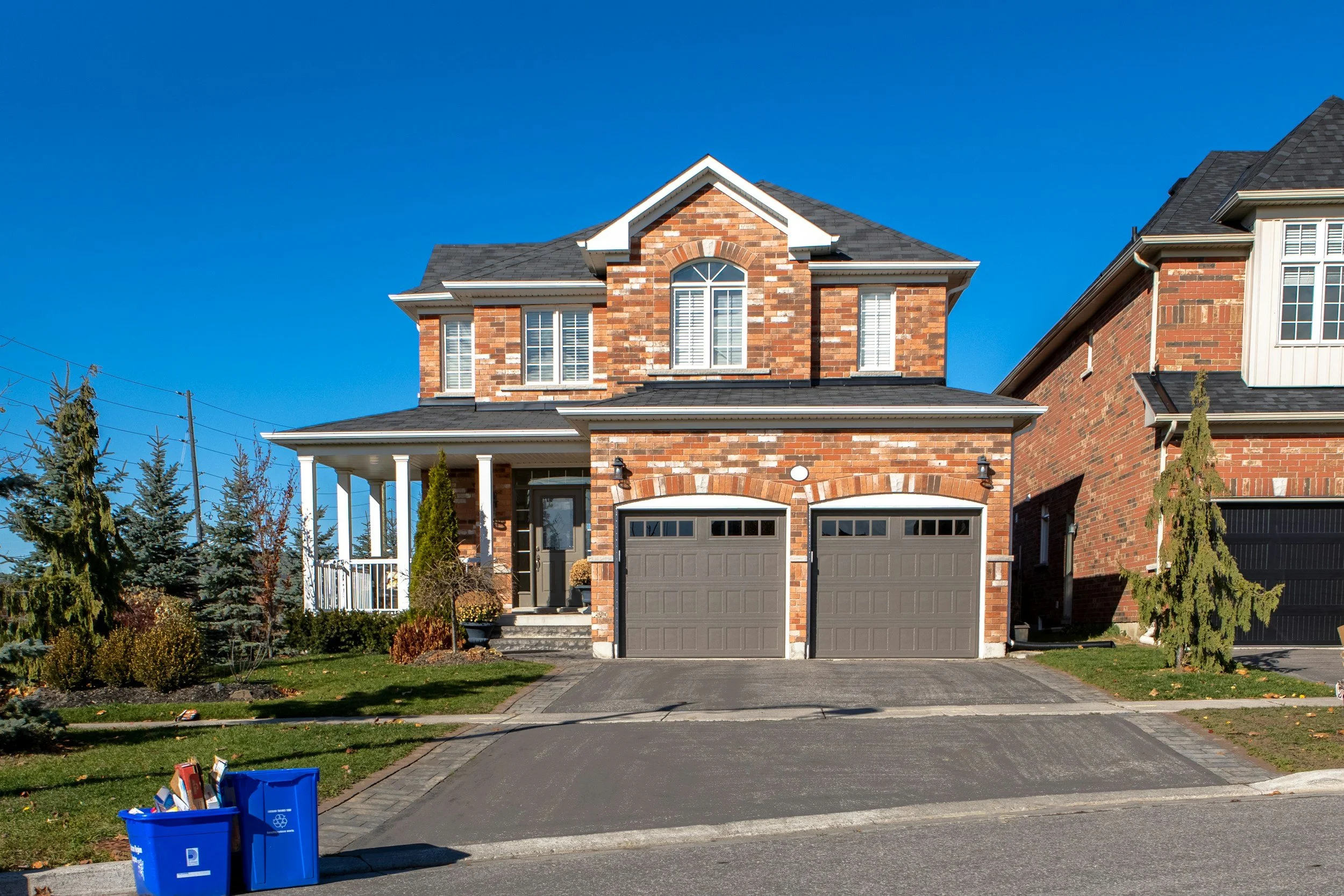
Completed when construction is essentially finished and the home is nearly ready for move‑in.
Looks at how the home functions as a whole, similar to a standard home inspection, including major systems, visible finishes, and basic grading and drainage.
Aims to document defects and incomplete items before closing so you can provide your builder with a clear, photo‑rich punch list.